Funky Yard Font for Modern Web Design
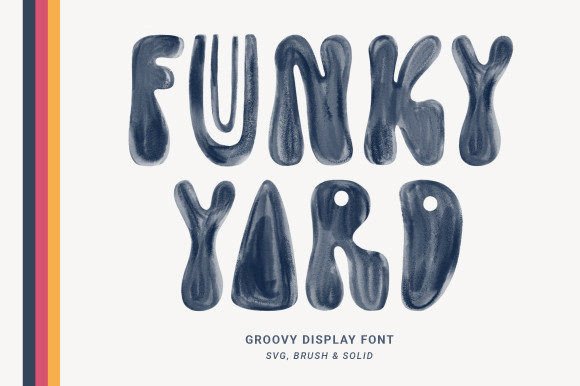
Funky Yard is a display font that brings a playful yet refined energy to digital projects. With its whimsical curves and groovy character shapes, it stands out as a versatile choice for web designers looking to inject personality into their layouts without sacrificing readability or brand consistency.
Visual Characteristics and Digital Appeal
The design of Funky Yard balances retro charm with modern clarity. Its stylized letterforms have a slightly exaggerated flair, making them ideal for attention-grabbing headlines and decorative accents. The font's structure ensures legibility even at smaller sizes, which is crucial for responsive web design.
Its quirky nature makes it especially effective for creative industries like branding, editorial design, and social media graphics. It works well on both light and dark backgrounds when paired with appropriate contrast settings.
Applications in Web Design
Funky Yard can elevate the visual hierarchy of any website. Here are some practical use cases:
- Hero Sections: Use it for large, bold headers in landing pages to create an immediate impact.
- Call-to-Action Buttons: Apply it to short, punchy phrases such as “Get Started” or “Join Now” to reinforce brand tone.
- Portfolio Sites: Showcase your work with a creative twist by using Funky Yard in project titles or section headings.
- Boutique Online Stores: Pair it with clean sans serif fonts for product names and descriptions to balance playfulness with professionalism.
- Blog Headers: Add a unique touch to article titles or category sections without overwhelming readers.
Readability and User Engagement
While Funky Yard is a display font, its readability is optimized for digital screens. When used appropriately, it enhances scanning behavior without causing confusion. For example, it performs well in hero sections where users quickly scan for key messages.
On mobile devices, ensure that the font size is large enough to remain legible. Avoid using it for long paragraphs or body text; instead, reserve it for short, impactful phrases that benefit from stylistic emphasis.
Font Pairing Strategies
To maintain a balanced layout, pair Funky Yard with a complementary typeface. A simple sans serif font like Helvetica or Arial works well for body copy, while a serif font like Georgia adds a more editorial feel.
For digital ads or banners, consider using Funky Yard for headlines and a contrasting sans serif for supporting text. This combination helps establish visual rhythm and improves user engagement.
Brand Identity and Professionalism
Funky Yard can help define a brand’s personality. If your brand is creative, fun, or retro-inspired, this font reinforces those values through typography. However, it should be used thoughtfully to avoid appearing unprofessional.
When applied consistently across a website—such as in headers, logos, and promotional banners—it contributes to a strong online identity. Ensure that it aligns with your brand’s overall aesthetic and messaging.
Licensing and Practical Considerations
Before using Funky Yard on client projects, online stores, or digital templates, verify the licensing terms. Commercial use typically requires a premium font license, especially for high-traffic websites or SaaS platforms.
Check if the font includes multiple weights, alternates, and multilingual support. These features can enhance its usability for global audiences or complex design systems.
Ensure that the font files are available in webfont formats (like WOFF or WOFF2) for optimal performance on websites. This helps maintain fast loading times and smooth rendering across different browsers.
Real-World Examples
Imagine a coaching website that wants to convey creativity and approachability. Using Funky Yard for the main headline “Unlock Your Potential” alongside a clean sans serif for subheadings creates a friendly yet professional look.
In a boutique online store selling vintage-inspired products, Funky Yard can be used for product names and promotional banners, reinforcing the retro theme while maintaining readability.
For a course sales page, apply Funky Yard to section titles like “Master the Basics” or “Advanced Techniques,” making the content more engaging and visually appealing.
On a portfolio site, use it sparingly for project titles or navigation elements to highlight creativity without distracting from the content itself.
Conclusion
Funky Yard is a valuable asset for web designers, UI creators, and digital product developers seeking to add character to their projects. Its blend of retro style and modern clarity makes it suitable for a wide range of applications—from landing pages to brand kits.
By understanding its strengths and limitations, you can leverage Funky Yard effectively to enhance visual hierarchy, brand tone, and user experience across various digital platforms.